
Top Tips for Peak Mental Performance
Do you struggle with brain fog? If so, you are not alone as many people do! Brain fog is a common group of symptoms that affect how you think, remember and concentrate. It can make doing ordinary tasks challenging. You might lose your train of thought in the middle of a conversation. It’s usually temporary, but the length of time you’ll experience brain fog can vary
“Brain fog” is a term for a range of symptoms that cause cognitive impairment. This affects your ability to think clearly, focus, concentrate, remember and pay attention. Like its name, these symptoms cloud your mind and make it difficult to perform routine tasks like holding a conversation, listening to instructions or remembering the steps of something you’re doing.
Brain fog, also called mental fog, can happen after an illness, as a side effect of a medication (like chemotherapy) or as a symptom of an underlying condition. A healthcare provider can help you determine what’s causing brain fog to help you feel more like yourself.
What does brain fog feel like?
Brain fog can feel slightly different for each person. You may experience the following with brain fog: • Difficulty concentrating or focusing
• Confusion
• Fatigue
• Forgetfulness
• Losing your train of thought
• Mental exhaustion
• Not having the right words
• Slow thought process and reaction time
• Trouble paying attention
What causes brain fog?
There are multiple possible causes of brain fog. Some common causes include: • A lack of sleep
• Autoimmune conditions
• Diabetes and low blood sugar levels (hypoglycemia)
• Mental health conditions like anxiety or depression
• Neurodivergent conditions like ADHD and autism spectrum disorder
• Hormonal changes like during pregnancy or menopause
• Poor nutrition
• Stress
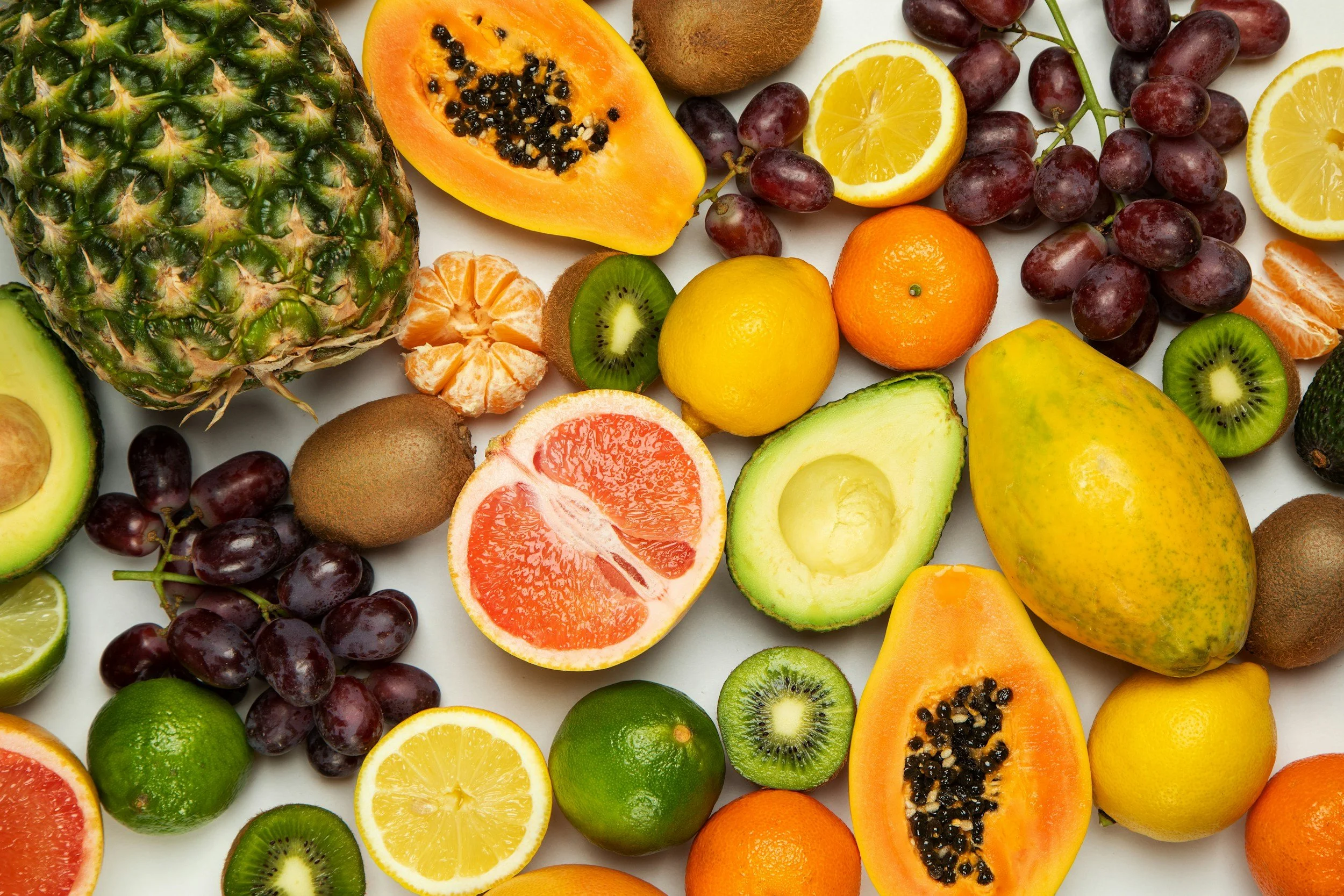
Eating for a happy brain
Some underrated superfoods - ORGANIC produce especially rocket, radishes, celery, parsley, beetroot, apples, cucumbers, pomegranate, flax seeds, organic green & oolong tea, organic green “leafies”, (kale must be eaten cooked), avocados, pasteurised eggs, chemical-free walnuts, tahini, fish (wild, not farmed!) salmon, sardines, mackerel & anchovies, lemons, Australian extra virgin olive oil, ALL fresh herbs & spices, especially TUMERIC & GINGER, raw cacao, hemp, ghee, coconut, sweet potato, organic apples & purple grapes, dates, figs, raw honey, chemical-free berries, cruciferous family (broccoli, cabbage, cauliflower, pak choy, garlic, onions), Organic grass-fed liver & kidneys, grass-fed butter, fermented foods, quinoa, buckwheat, organic rolled oats….Note; there are no other grains or beans I consider to be superfoods though others disagree 2) eat locally grown, chemical free & seasonal produce for most benefits
Manage your blood sugar by including some good fats, plant fibre and protein with every meal & avoiding refined and processed foods. This includes all “white” refined flour & grains, soft drinks & food pretending to be healthy – e.g. most cereals other than organic oats, juices (I blend not juice to retain the fibre), processed bars, Boost chain smoothies etc . A sugary breakfast will have you lining up for sugar for the rest of the day!
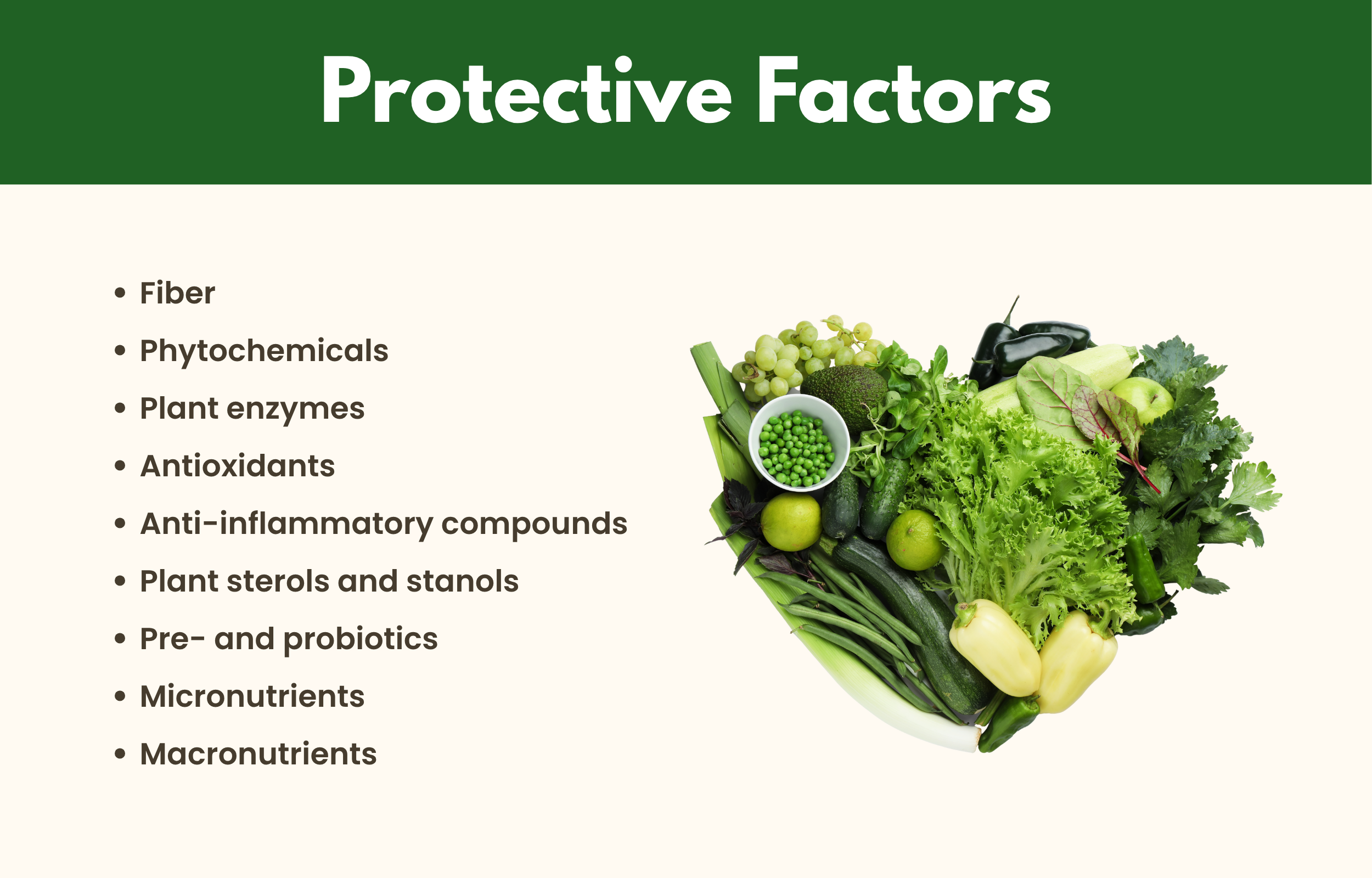
Many Benefits from a Healing Diet
• Reduces inflammation
• Stabilises blood sugar and reduces physiological stress
• Reduces toxic load
• Provides foundational nutrients
• Supports healthy alkaline blood PH
• Increases mental performance
• Increases overall energy levels
• Allows for increased concentration and higher cognitive output
• Stabilises your emotional states and stops over-reactivity
Reduce sources of inflammation
Remove deep fried foods and processed vegetable oils (canola, rapeseed, palm oil, “vegetable” oil) from your diet, and replace with food as above, especially plants and fresh fish oils. If you want to supplement buy a Naturopathic brand, as cheap oils do more harm than good.
Optimal cellular hydration
You’ve probably heard by weight we are about 70% water, but by number of molecules we are 99% water! No process in your body can occur without being in the presence of water
Being dehydrated by just 2% impairs performance in tasks that require attention, psychomotor, and immediate memory skills, as well as assessment of the subjective state (ie emotional discernment & higher executive functioning) https://pubmed.ncbi.nlm.nih.gov/22855911/
There is a great difference between physiological surviving, and optimal performance. Yes many people survive being chronically dehydrated but it is continually impacting your energy levels. Correct hydration drastically reduces the need for stimulants like caffeine and sugar
The quality of water is extremely important, I could write a whole ebook on why tap water is so bad & water in plastic bottles nearly as much so, & even rainwater is very acidic. Investing in an alkalising water filter in your home and workplace is an investment in your longy-term health & daily performance that will pay for itself continually
Take my hydration test and see – have 600 mls of filtered water with a teas of apple cider vinegar or a good squeeze of lemon juice mixed in within 30 mins of getting out of bed. Drink another 8 glasses in small amounts regularly throughout the day, all with a little apple cider vinegar added & stirred well before drinking (1 mix mine in 1 L glass bottles)…..See how you feel compared to how you normally feel!
Sleep
Sleep hygiene is so important I will do a separate article just on it, but in the meantime a few tips:
• A good nights sleep starts in the morning & finishes in the evening-
• Get up early & get outside for natural light close to sunrise. Be exposed to natural light throughout the day for correct circadian rhythm setting
• Don’t get out of bed to sit down, move to get your circulation & lymph flowing and breath deeply focusing on the exhale to get rid of excess carbon dioxide from shallow sleep breathing
• Eat most of your calories and main meal of the day between 11am and 5pm. Intermittent fasting improves sleep for many people, but experiment with the timing that suits you • Eat dinner around sunset, & stop eating 2-3 hours before bed, ideally by 7pm. Gentle activity like walking, yoga or playing with the kids is ideal to relax after the day
• Turn lights down at sunset & especially avoid “blue light” (LED’s, fluorescents, computer screens)
• Set your phone, laptop & other devices to “night” & manually turn down the brightness and up the red light at sunset
If you have addressed as many of the above as you can, and haven’t found considerable improvement which should occur quite quickly, a healthcare provider can help you determine the underlying causes of your brain fog.